
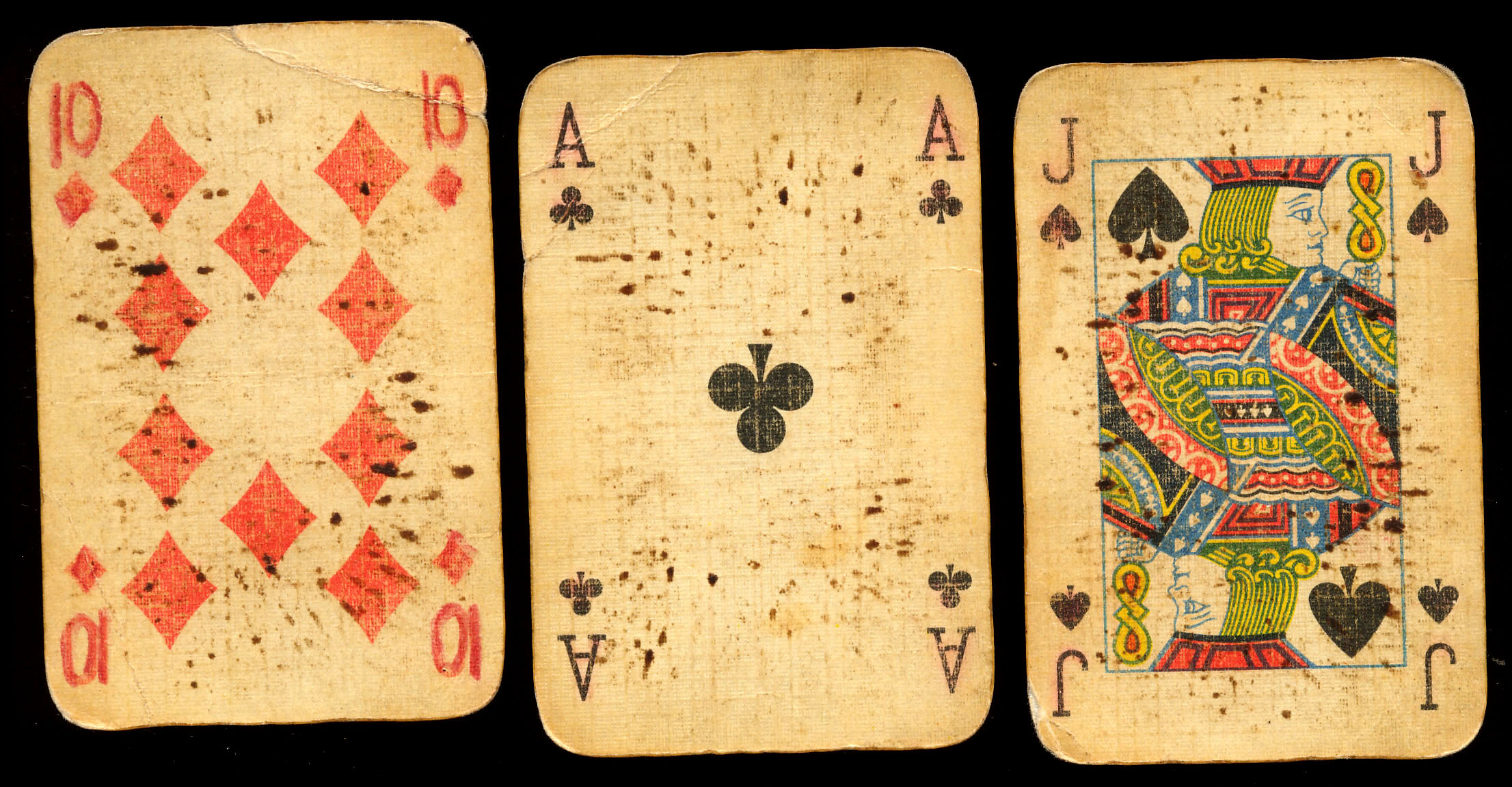
Blackjack, also known as 21, is one of the most popular card games in casinos around the world. Its blend of skill, strategy, and avia masters game chance makes it an attractive option for players seeking to win money. However, it is essential to understand that, like all casino games, blackjack is designed with a built-in advantage for the house. This report aims to detail how casinos maintain their edge in blackjack, the mathematical principles behind it, and the strategies players can employ to minimize this disadvantage.
The Basics of Blackjack
Before delving into the house edge, it is crucial to understand the basic rules of blackjack. The objective of the game is to beat the dealer by having a hand value that is closer to 21 without exceeding it. Each card has a value: cards 2 through 10 are worth their face value, face cards (kings, queens, and jacks) are worth 10, and aces can be worth either 1 or 11, depending on which value benefits the player’s hand more.
Players start by placing a bet, and then they are dealt two cards, while the dealer receives one card face up and one card face down. Players can choose to “hit” (take another card) or “stand” (keep their current hand). If a player’s hand exceeds 21, they “bust” and lose their bet. The dealer must follow specific rules, typically hitting until reaching at least 17.
The House Edge Explained
The house edge is the statistical advantage that the casino has over the players. In blackjack, the house edge can vary based on the specific rules of the game and the strategy employed by the player. On average, the house edge in blackjack ranges from 0.5% to 1.5%, making it one of the more favorable games for players when played with optimal strategy.
1. Rules and Variations
Different variations of blackjack come with different rules that can affect the house edge. For example, if a game pays 3:2 for a blackjack (an ace and a ten-value card), the house edge is lower. However, if the game pays 6:5 for a blackjack, the house edge increases significantly. Other rules that can influence the house edge include whether the dealer hits or stands on a soft 17 (a hand containing an ace valued as 11), the number of decks used, and the ability to double down or split pairs.
2. The Role of the Dealer
The dealer’s actions also contribute to the house edge. In blackjack, the dealer plays last, which means that players must act before the dealer reveals their hidden card. If a player busts, they lose their bet immediately, regardless of whether the dealer also busts. This rule inherently gives the casino an advantage, as it allows the house to capitalize on players’ mistakes before revealing the outcome of the dealer’s hand.
Basic Strategy and Its Impact
Players can reduce the house edge by employing basic strategy, which is a mathematically derived set of rules that dictate the best action to take based on the player’s hand and the dealer’s upcard. Basic strategy charts outline when to hit, stand, double down, or split pairs to maximize the player’s chances of winning.
By using basic strategy, players can bring the house edge down to approximately 0.5%. However, many players do not utilize this strategy effectively, often making decisions based on intuition rather than mathematical principles. Common mistakes include hitting on a hard 17 or standing on a soft 16 against a dealer’s strong upcard, which can significantly increase the house edge.
Card Counting: A Player’s Counterstrategy
Card counting is a strategy that some players use to gain an advantage over the house. It involves keeping track of the ratio of high cards (tens and aces) to low cards remaining in the deck. When there are more high cards left in the deck, the player’s chances of getting a blackjack increase, and they can adjust their betting strategy accordingly.
While card counting can reduce the house edge, it is important to note that casinos are aware of this technique and actively take measures to counteract it. These measures include using multiple decks, frequent shuffling, and employing surveillance to identify and ban players suspected of counting cards.
The Psychological Aspect of the Game
The psychological elements of blackjack also play a crucial role in the house edge. Players often experience emotional highs and lows during the game, which can lead to poor decision-making. Chasing losses, for example, can result in players increasing their bets in hopes of recouping previous losses, ultimately leading to greater losses.
Furthermore, the presence of other players at the table can influence decision-making. Players may be swayed by the actions of others, leading to suboptimal choices. The social aspect of blackjack can create a sense of camaraderie, but it can also cloud judgment, further benefiting the house.
Conclusion
In conclusion, the house edge in blackjack is a result of various factors, including game rules, the dealer’s position, and the psychological dynamics of the game. While players can employ basic strategy and even card counting to reduce the house edge, the inherent design of the game ensures that the casino maintains a statistical advantage. Understanding these elements is crucial for players who wish to approach blackjack with a strategic mindset rather than relying solely on luck. By recognizing the factors that contribute to the house edge, players can make informed decisions that enhance their overall experience in the game.